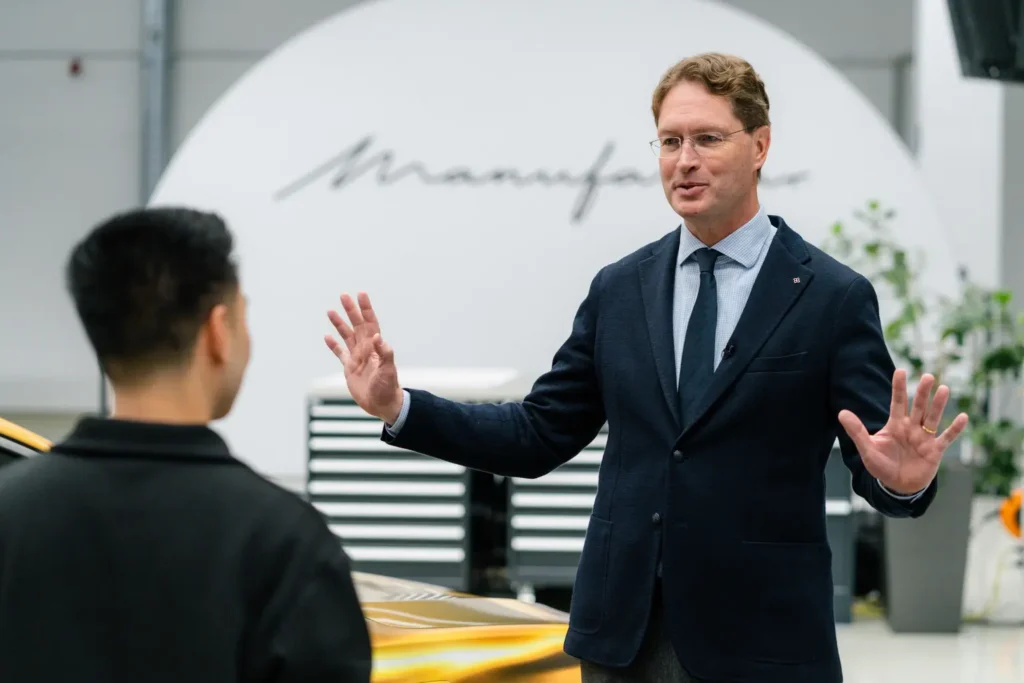
Mercedes-Benz Global CEO Ola Källenius has signaled a potential recalibration of the brand’s Indian manufacturing strategy in response to the upcoming India-EU Free Trade Agreement (FTA). Speaking during the reveal of the 2026 S-Class facelift, Källenius emphasized that while the trade deal may alter the specific mix of locally assembled versus imported models, the company’s commitment to the Indian market remains firm.
Impact of the India-EU FTA on Manufacturing
The proposed trade agreement is expected to provide new frameworks for automotive commerce between the two regions. Källenius noted that Mercedes-Benz would seek an “equilibrium” for its operations, adjusting production plans to optimize efficiency under the new trade terms. Currently, the German automaker maintains a significant assembly operation in Pune, covering more than 10 distinct model lines.
- Sedans: A-Class, C-Class, E-Class, S-Class, and Maybach S 580
- SUVs: GLA, GLC, GLE, and GLS
- Performance and Electric: AMG C 43 and the full EQ battery-electric range
India’s Role in Global Engineering
Beyond sales and assembly, India has emerged as a cornerstone of Mercedes-Benz’s global research and development efforts. The Bengaluru-based R&D center, which stands as the manufacturer’s largest engineering facility outside of Germany, played a pivotal role in the development of the 2026 S-Class facelift. Källenius described the flagship sedan as a product of global collaboration, incorporating technical inputs from five continents.
Strategic Outlook
The CEO’s comments reflect a broader trend of luxury manufacturers viewing India as a critical growth pillar. Despite potential shifts in production logistics necessitated by the FTA, the brand intends to continue its investment trajectory. Källenius also commended the diplomatic efforts of Indian Minister Piyush Goyal and the EU trade secretary in navigating the complexities of the trade negotiations, suggesting that the resulting deal will be a vital catalyst for future operations.