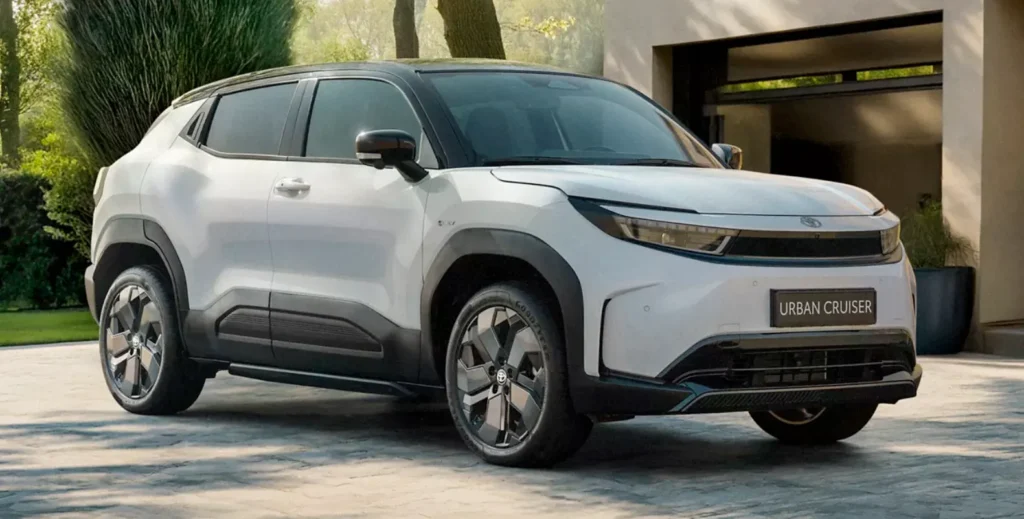
(Image: International Toyota Urban Cruiser EV)
Toyota Launches Urban Cruiser EV in India on January 19, 2026
Toyota is set to launch its new electric SUV, the Urban Cruiser EV, in India on January 19, 2026. The vehicle is expected to enter the competitive electric SUV segment, targeting urban and suburban consumers seeking a blend of practicality, technology, and driving range.
Price and Battery Specifications of Toyal Urban Cruiser EV
The Urban Cruiser EV is expected to be available in two variants: a base model and a top-end trim. The base variant is projected to start at Rs 21 lakh (ex-showroom), while the top-end trim is anticipated to be priced at nearly Rs 26 lakh (ex-showroom). These figures are based on market expectations and are not officially confirmed.
The SUV is expected to be powered by two battery options: a 49kWh and a 61kWh battery pack. The 49kWh variant will deliver 144 bhp, while the 61kWh version will offer 174 bhp. Both configurations are expected to provide a driving range of over 500 km on a single charge, making it competitive with other EVs in the segment.
Design and Interior Features
Externally, the Urban Cruiser EV features LED headlamps with daytime running lights (DRLs), complemented by thick black trim and a central Toyota badge. The design language reflects a modern, refined aesthetic that aligns with Toyota’s current electric vehicle offerings.
Inside, the cabin is expected to draw inspiration from the Maruti Suzuki e Vitara, featuring a suite of tech-driven amenities. These include a 10.1-inch touchscreen infotainment system, support for wireless Android Auto and Apple CarPlay, and a 10.25-inch digital driver’s display. Additional features include a 10-way electrically adjustable driver’s seat, an Infinity sound system, a wireless phone charger, and a glass roof for enhanced cabin ambiance.
For safety and convenience, the vehicle will be equipped with a comprehensive list of driver-assistance features. These include 7 airbags, front and rear parking sensors, a 360-degree camera system with blind-spot monitoring, and an electronic parking brake with auto-hold capability.
Advanced Driver Assistance Systems (ADAS)
The Urban Cruiser EV is expected to offer Level 2 ADAS, enabling features such as adaptive cruise control, lane-keeping assist, and automatic emergency braking. These systems are designed to enhance driving safety and ease of use, particularly in urban environments.
Competitive Positioning
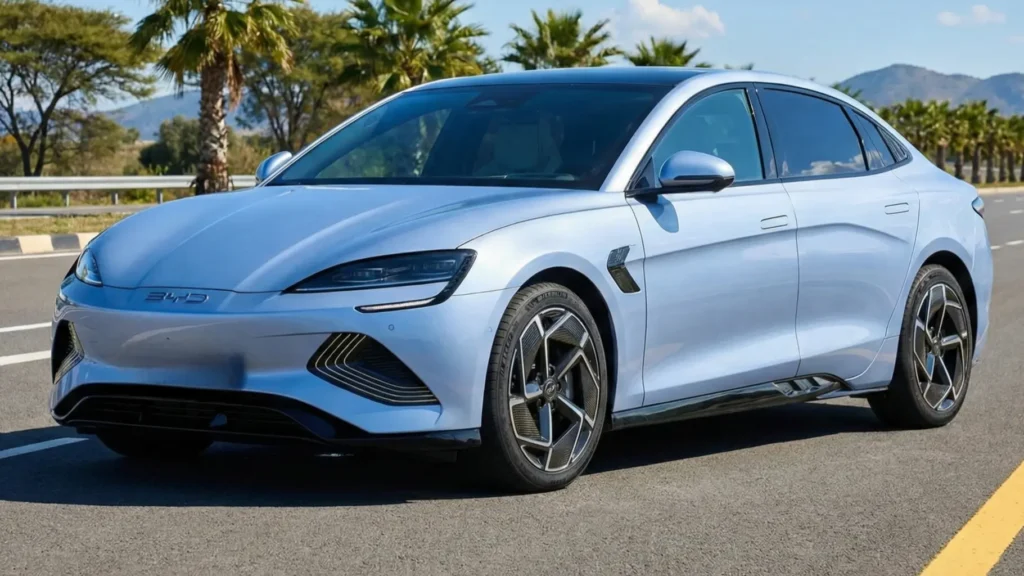
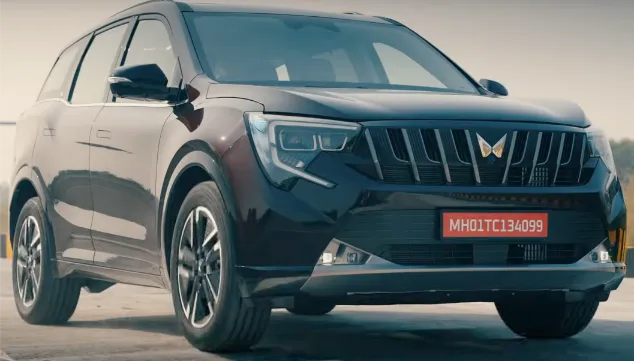
The Urban Cruiser EV will directly compete with several established electric SUVs in the Indian market, including the Mahindra BE 6, Hyundai Creta Electric, and MG ZS EV. With its competitive pricing, strong range, and feature-rich cabin, Toyota aims to carve out a niche among buyers looking for reliability, brand trust, and modern technology.
When will Toyota Urban Cruiser EV Launch?
According to industry sources, the final version of the Urban Cruiser EV will closely mirror the near-production model showcased at the Bharat Mobility Show last year. This suggests that Toyota has already completed significant development work and is preparing for a market-ready launch.
The vehicle is expected to share its battery platform with the e-Vitara, which could allow for cost efficiencies and faster production timelines. This shared architecture may also contribute to a more consistent user experience across Toyota’s electric lineup.
While all price points, power outputs, and range figures are currently speculative, the launch date of January 19, 2026, has been confirmed by multiple automotive news outlets, including India Car News. The information reflects current market expectations and aligns with Toyota’s broader strategy of expanding its electric vehicle portfolio in India.
Conclusion
The Toyota Urban Cruiser EV represents a significant step in the automaker’s push to strengthen its presence in India’s growing electric vehicle market. With a focus on practicality, technology, and safety, the SUV is poised to appeal to a wide range of urban consumers. As the launch approaches, stakeholders and buyers alike will be watching closely for how the vehicle performs in real-world conditions and whether it meets the high expectations set by Toyota’s brand legacy and the competitive landscape.