Renault India is preparing to re-enter the compact SUV segment with the launch of the third-generation Duster on January 26, 2026, coinciding with India’s Independence Day. The automaker is bypassing the second-generation model, opting to introduce a significantly updated vehicle to compete in a crowded market including the Hyundai Creta, Kia Seltos, and Maruti Grand Vitara.
Design and Exterior Features
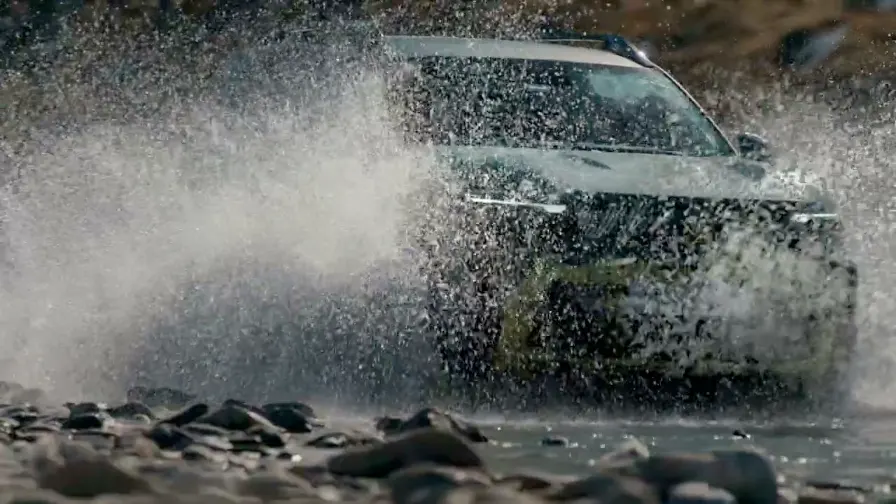
Teaser images released by Renault reveal a redesigned exterior for the new Duster. Key aesthetic changes include newly designed headlamps incorporating eyebrow-shaped LED daytime running lights, a revised front grille with three air intakes, and roof rails. The rear of the vehicle features connected taillamps, contributing to a more modern appearance.
Powertrain Options
The 2026 Duster is anticipated to be offered with two petrol engine options. A 1.3-liter turbocharged petrol engine producing 156 horsepower is expected, alongside a smaller 1.0-liter turbocharged petrol engine. Renault also intends to introduce a strong hybrid powertrain variant in the months following the initial launch of the internal combustion engine (ICE) models.
Interior and Technology
The interior of the new Duster will feature a range of upgraded amenities. Higher trim levels will include a panoramic sunroof. A 10.1-inch touchscreen infotainment system with wireless Android Auto and Apple CarPlay compatibility will be standard on many trims, alongside a 7-inch digital instrument cluster. Other features include ambient lighting, a 6-speaker Arkamys sound system, wireless phone charging, a powered driver’s seat, ventilated front seats, cruise control, and keyless entry with push-button start.
Safety Enhancements
Renault is prioritizing safety with the new Duster, making it the first vehicle in its Indian lineup to offer Advanced Driver Assistance Systems (ADAS). A radar sensor on the windscreen suggests the inclusion of features like automatic emergency braking and lane departure warning. Standard safety equipment will include six airbags, a tyre pressure monitoring system, electronic stability control, Isofix child seat anchorages, and ABS with electronic brakeforce distribution.