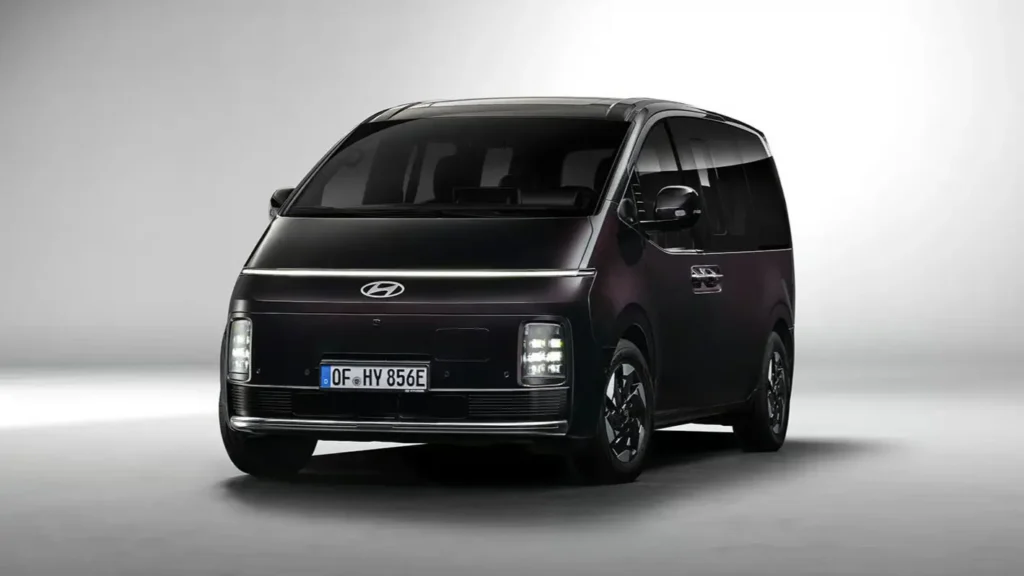
Hyundai has officially introduced the electric version of its Staria MPV, marking the arrival of the brand’s largest passenger EV to date. Premiering at the Brussels Motor Show, the Staria Electric is slated to enter the UK and European markets during the first half of 2026, positioning it as a direct competitor to the Ford E-Tourneo Custom and the Kia PV5.
Powertrain and Charging Performance
The Staria Electric is powered by an 84kWh lithium-ion battery pack coupled with a front-mounted electric motor that produces 219hp. While the vehicle utilizes the same basic architecture as the internal combustion engine (ICE) model—which shares its platform with the Santa Fe—Hyundai has integrated an 800V high-voltage system. This technical upgrade enables the MPV to charge from 10 to 80 percent in approximately 20 minutes.
- Battery Capacity: 84kWh
- Maximum Range: 400km (claimed)
- Top Speed: 183kph
- Towing Capacity: 2,000kg
Interior Refinements and Practicality
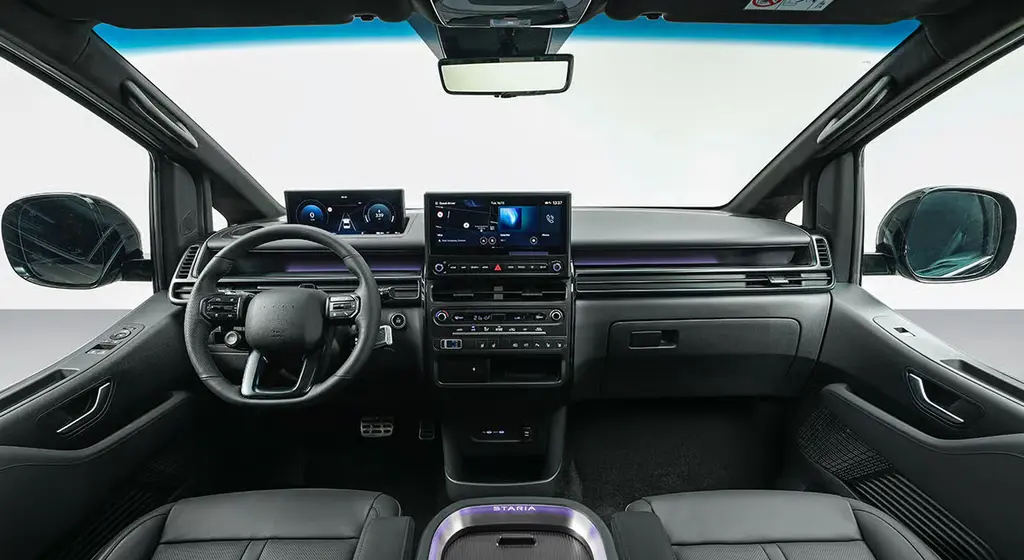
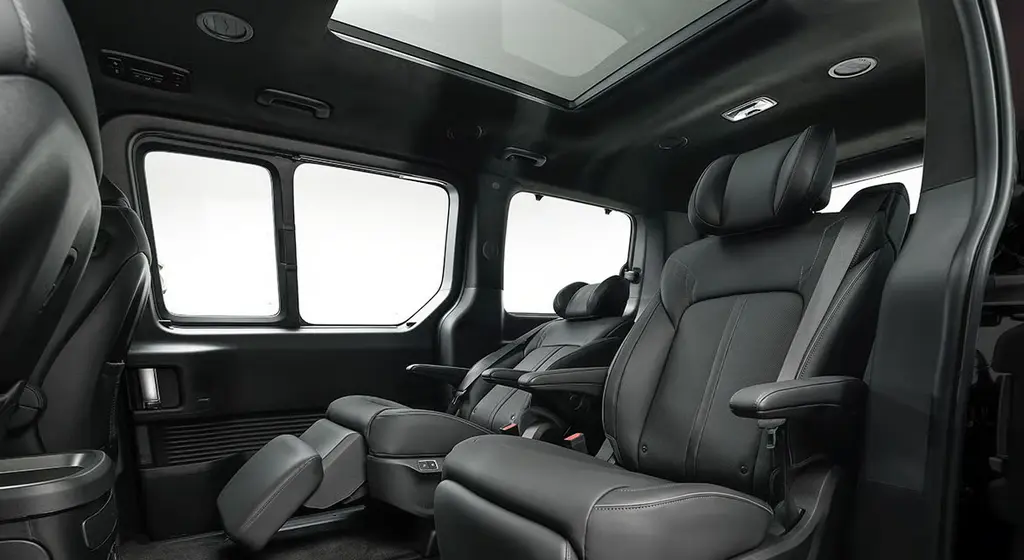
Inside, the Staria Electric features a revised cabin layout compared to its diesel-powered predecessor. The dashboard has been redesigned with a more horizontal orientation and a new center console that incorporates additional physical switchgear. The “Connected Car Navigation Cockpit” setup includes two 12.3-inch displays and supports over-the-air (OTA) software updates.
The vehicle will be available in two primary configurations:
- 7-Seat Luxury: Offers 435 liters of cargo space.
- 9-Seat Wagon: Features sliding and foldable seating with a maximum luggage capacity of 1,303 liters.
Exterior and Dimensions

Visually, the electric variant maintains the futuristic, high-roof silhouette of the standard Staria, distinguished only by a revised front bumper design. It retains the signature wraparound LED light bar and large glass surfaces. The vehicle measures 5,255mm in length and 1,990mm in height, with a wheelbase of 2,375mm. Hyundai intends to market the model for fleet operations, shuttle services, and large families.
Hyundai Staria Competitors
The most immediate hurdles for the Staria in India are the established leaders that define the “Premium MPV” category.
Kia Carnival (2025/2026 Model): As the Staria’s corporate cousin, the Carnival remains its fiercest rival. While the Staria offers a “spaceship-like” mono-volume design, the Carnival adheres to a more traditional luxury SUV-inspired silhouette. The Carnival’s advantage in India lies in its existing brand equity and a well-established service network for high-end MPVs.
Toyota Innova Hycross: While the Hycross sits at a slightly lower price bracket (₹20–₹31 lakh), its top-tier hybrid variants compete for the same audience. Its bulletproof reliability and strong resale value in India provide a significant psychological barrier for buyers considering the more experimental design of the Staria.
If Hyundai positions the Staria Premium or Lounge trims in India, it will overlap with the luxury segment, targeting corporate “VIP” transport.
Toyota Vellfire: Priced significantly higher (₹1.20–₹1.35 Cr), the Vellfire is the current gold standard for executive transport in India. The Staria’s competitive edge here would be its “value-luxury” proposition—offering similar ottoman seating and futuristic tech at roughly half the price (estimated ₹50–₹65 lakh).
Mercedes-Benz V-Class: Though available in limited volumes, the V-Class remains the primary choice for those prioritizing badge value. The Staria competes by offering a more modern, tech-heavy interior compared to the aging architecture of the Mercedes van.
With the Staria Electric debuting globally, it faces a new wave of zero-emission rivals recently launched or announced for the Indian market:
BYD M6 / e6 Facelift: BYD has been aggressive in the Indian electric MPV space. The M6 offers a more “car-like” driving experience and a lower entry price, making it a strong rival for fleet operators who might otherwise consider the base variants of the Staria.
Maxus MIFA 9: Emerging as a potential import in the luxury EV space, this Chinese-made MPV mirrors the Staria’s futuristic aesthetic and focuses heavily on second-row luxury features.