Mercedes-Benz has announced a strategic shift in its vehicle styling, confirming that future electric vehicles (EVs) and internal combustion engine (ICE) models will no longer feature distinct design identities. The move signals a departure from the brand’s recent approach of utilizing unique aesthetics for its EQ-branded electric range.
Consumer Preference for Traditional Styling
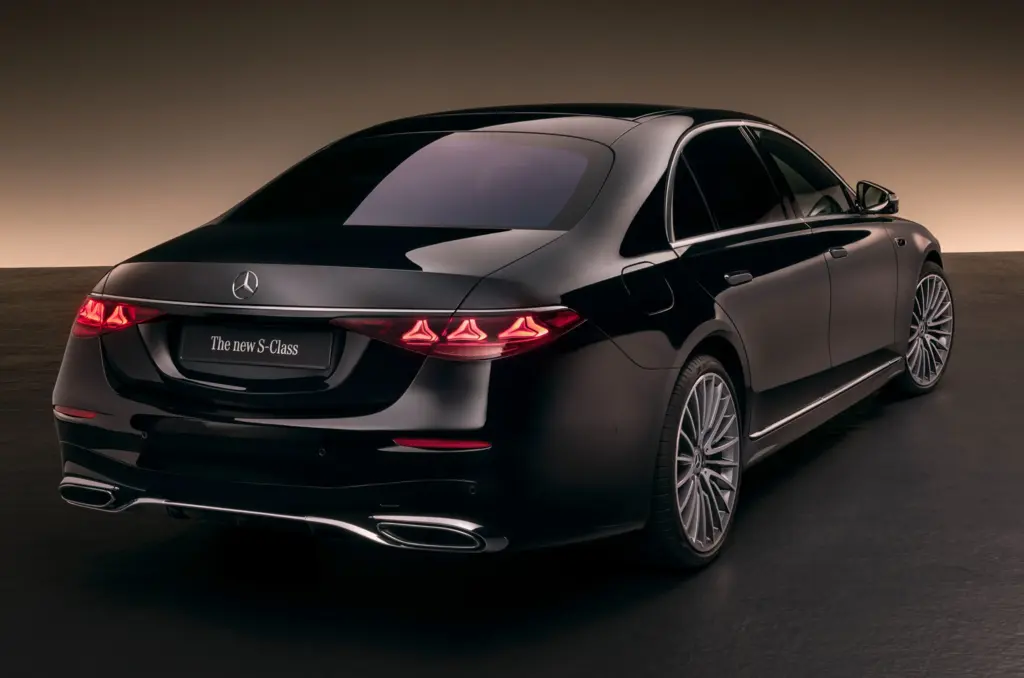
The decision was confirmed by Mathias Geisen, head of sales and customer experience at Mercedes-Benz Group AG, during the reveal of the 2026 S-Class facelift. Geisen noted that the brand’s clientele has expressed a clear preference for consistent brand styling regardless of the underlying powertrain. “Our customer today wants that typical Mercedes style irrespective of the powertrains,” Geisen stated, indicating that the visual gap between models like the S-Class and the EQS will be closed in future iterations.
Market Realities and Strategic Adjustments
This pivot aligns with recent observations from Chief Design Officer Gorden Wagener, who previously suggested that the luxury segment continues to be influenced by traditional combustion-engine design cues. The transition highlights several key factors in the brand’s evolving roadmap:
- Unified Brand Identity: A move toward a singular visual language across all propulsion types.
- Strategic Realignment: An acknowledgment that the industry-wide shift to EVs was initially overestimated.
- Competitive Positioning: A shift toward a strategy similar to the BMW 7 Series and i7, which share a common design.
While Geisen admitted that predicting the exact timeline for total electrification is challenging, he reaffirmed that the company still views electric propulsion as the industry’s future. However, the immediate priority remains meeting current market demand for the brand’s heritage-focused design language across its entire lineup.