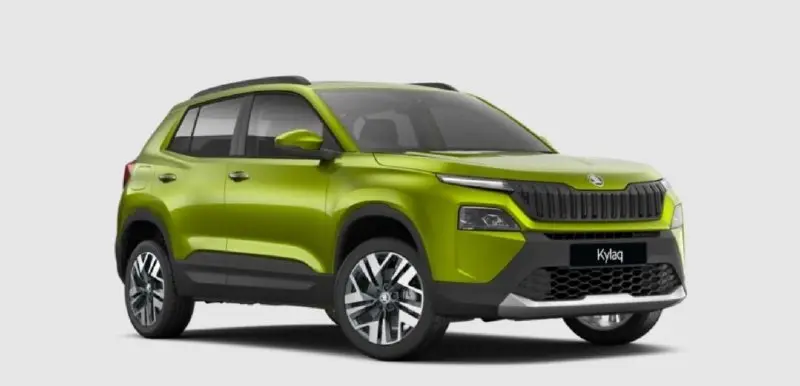
Skoda Auto is actively considering the integration of Compressed Natural Gas (CNG) technology into its Indian product range, with the recently launched Kylaq compact SUV positioned as the primary candidate for this transition. The move comes as the Czech manufacturer seeks to diversify its current petrol-only lineup ahead of stricter Corporate Average Fuel Efficiency (CAFE) III standards scheduled for 2027.
CNG Integration for the Kylaq and Beyond
According to Martin Jahn, Skoda Auto Board Member for Sales and Marketing, the brand is analyzing the feasibility of a CNG powertrain for the Indian market. The Kylaq, which accounted for more than 50 percent of Skoda’s domestic sales in 2025, is the logical starting point for this alternative fuel strategy. Key factors supporting this move include:
- Platform Compatibility: The MQB-A0-IN architecture, which underpins the Kylaq, Kushaq, and Slavia, was previewed by the Vision X concept featuring a CNG-hybrid setup.
- Market Demand: Approximately half of the competitors in the compact SUV segment already offer CNG variants.
- Scalability: If successful, the CNG powertrain could be extended to the Kushaq SUV and Slavia sedan.
Uncertainty Surrounding Electrification
While competitors have expanded into the battery electric vehicle (BEV) sector, Skoda’s timeline for local EV launches remains undefined. Despite the Enyaq being frequently spotted during Indian road trials and the smaller Elroq being under consideration, the company has not committed to a specific launch window. Jahn cited global market volatility—noting the varying adoption rates in China, Europe, and the US—as a reason for the cautious approach.
Regulatory Compliance and Cost Challenges
The impending CAFE III norms in 2027 are adding pressure on Skoda to lower its fleet-wide carbon footprint. While the brand possesses a global portfolio of mild-hybrid, plug-in hybrid, and fully electric drivetrains, the primary hurdle for the Indian market is cost-effectiveness. The company is currently evaluating which technologies can meet local price sensitivity while satisfying regulatory requirements. Additionally, the outcome of a potential free trade agreement between India and the European Union may influence future powertrain decisions.