After the early 2026 launches such as the Kia Seltos (new generation) and Mahindra XUV 7XO, several important models are still lined up for the remainder of the year. Below are five publish‑ready, high‑interest upcoming cars expected to launch in India in 2026. These models span electric SUVs, mainstream utility vehicles, and high‑impact brand comebacks, making them especially relevant for Indian buyers and SEO visibility.
1. MG Majestor
Launch Timeline: February 12 2026 [Confirmed]

MG Motor India is set to expand its premium vehicle portfolio with the official launch of the Majestor on February 12, 2026. Positioned as the brand’s new flagship full-size SUV, the Majestor will sit above the current Gloster. The model was previously showcased at the Auto Expo 2025 and has been frequently sighted during road testing across the country.
The Majestor adopts an aggressive aesthetic inspired by the Maxus D90 available in overseas markets. The front fascia is defined by a substantial grille featuring gloss black elements, complemented by vertically stacked LED headlights and slim, high-mounted LED daytime running lights. The SUV’s profile and rear include several distinct design traits:
- 19-inch dual-tone alloy wheels similar to the Gloster
- Prominent black wheel arch cladding and roof rails
- Connected LED taillight assembly
- Rear bumper with a faux silver skid plate and integrated dual exhaust outlets
2. Renault Duster (Next Generation)
Launch Timeline: January 2026 [Confirmed]
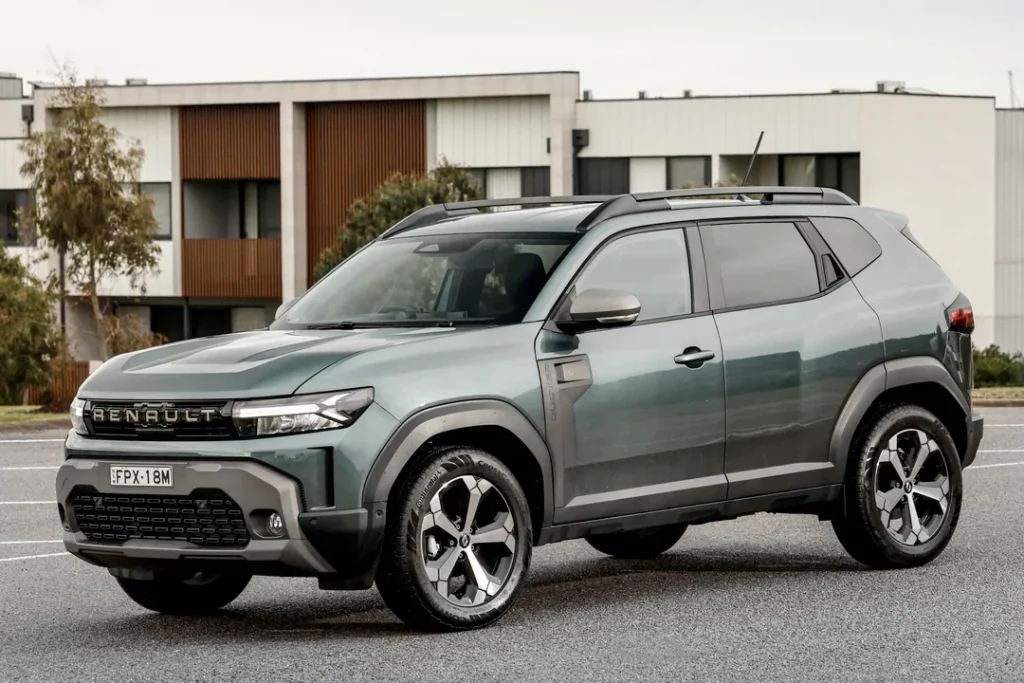
The next‑generation Renault Duster marks the return of one of India’s most recognisable SUV nameplates. Built on a new global platform, the 2026 Duster is expected to be larger, safer, and significantly more feature‑rich than its predecessor. Design updates will give it a stronger road presence, while the cabin is likely to see a major upgrade with a modern infotainment system, digital instrumentation, and improved material quality.
Powertrain options are expected to focus on turbo‑petrol engines, with a diesel option still under evaluation for India. Renault is also expected to prioritise ride comfort and ruggedness, areas where the original Duster earned a strong reputation. Positioned in the midsize SUV segment, the new Duster will compete with models such as the Hyundai Creta, Kia Seltos, and MG Hector. Its comeback is crucial for Renault’s long‑term plans in the Indian market.
3. Toyota Urban Cruiser EV
Launch Timeline: January 2026 [Confirmed]
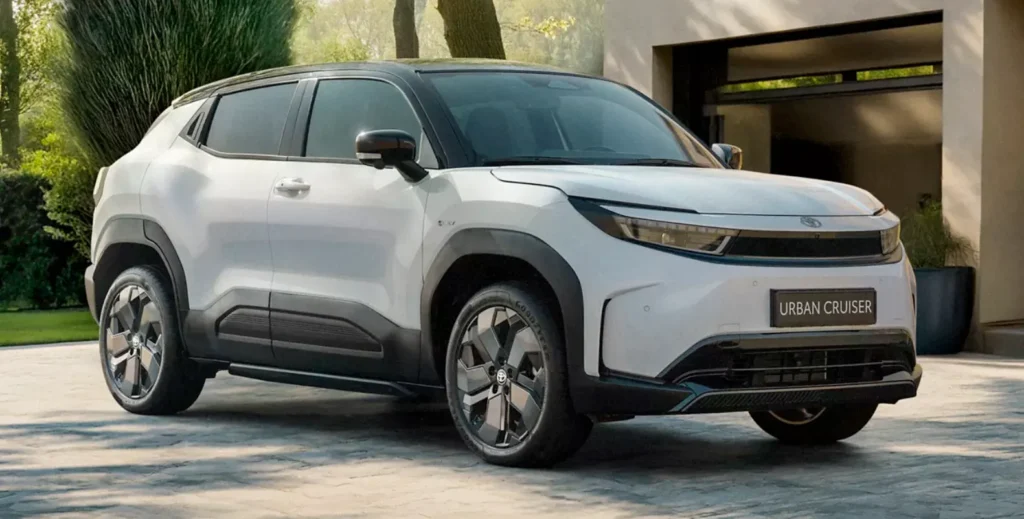
The Toyota Urban Cruiser EV will be Toyota’s first mass‑market electric SUV for India. Based on a dedicated electric platform shared with Maruti Suzuki, the Urban Cruiser EV is expected to offer a strong balance of range, efficiency, and reliability. Two battery options are likely, with the larger pack delivering a claimed range of over 500 km.
Toyota will position this EV as a practical and trustworthy option for families transitioning to electric mobility. Key highlights are expected to include a large touchscreen infotainment system, connected‑car technology, advanced safety features, and a focus on long‑term durability. The Urban Cruiser EV will rival the upcoming Hyundai Creta EV, MG ZS EV, and Tata Sierra EV, and plays a key role in Toyota’s electrification strategy for India.
4. Tata Sierra EV
Launch Timeline: Mid to Late 2026 [Confirmed]

The Tata Sierra EV is one of the most anticipated electric SUVs coming to India in 2026. Reviving the iconic Sierra name, Tata Motors is positioning this model as a lifestyle‑oriented electric SUV sitting above the Nexon EV in its lineup. The Sierra EV is expected to feature a long‑range battery pack, premium interiors, and advanced driver‑assistance systems.
Built on Tata’s next‑generation EV architecture, the Sierra EV will focus on design, technology, and comfort. Large digital displays, connected features, and a spacious cabin are expected highlights. With growing interest in premium electric SUVs, the Sierra EV will compete with upcoming models like the Mahindra BE.07 and Hyundai Creta EV, strengthening Tata’s leadership in India’s EV market.
5. Nissan Gravite
Launch Timeline: Early 2026 [Confirmed]
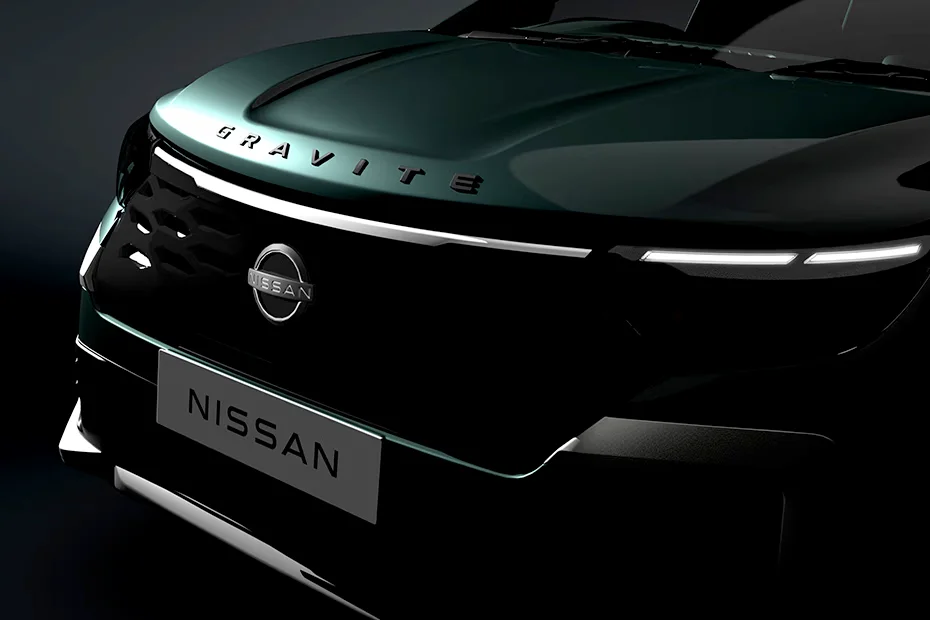
The Nissan Gravite is a new compact MPV aimed at value‑conscious Indian families. Positioned below traditional MPVs, the Gravite will focus on practicality, flexible seating, and affordability. It is expected to be a sub‑4‑metre model, allowing Nissan to price it aggressively.
Power is likely to come from a small petrol engine tuned for efficiency rather than outright performance. Despite its budget positioning, Nissan is expected to equip the Gravite with modern essentials such as a touchscreen infotainment system, smartphone connectivity, and basic safety features. The Gravite will directly rival the Renault Triber and is an important product for Nissan as it looks to rebuild volume in the Indian market.
6. Mahindra BE.07 (Born Electric SUV)
Launch Timeline: Late 2026 [Confirmed]

The Mahindra BE.07 is part of Mahindra’s global Born Electric strategy and represents the brand’s move into design‑led, technology‑focused electric SUVs. Built on the INGLO platform, the BE.07 is expected to offer large battery options, strong performance, and advanced software integration.
The cabin is likely to feature a multi‑screen digital layout, over‑the‑air updates, and a comprehensive ADAS suite. Positioned as a premium electric SUV, the BE.07 will target urban buyers looking for performance and modern design rather than purely value‑driven EVs. It will compete with models such as the Tata Sierra EV and other upcoming premium electric SUVs in India.
7. MG4 EV
Launch Timeline: First half of 2026 [Speculative]
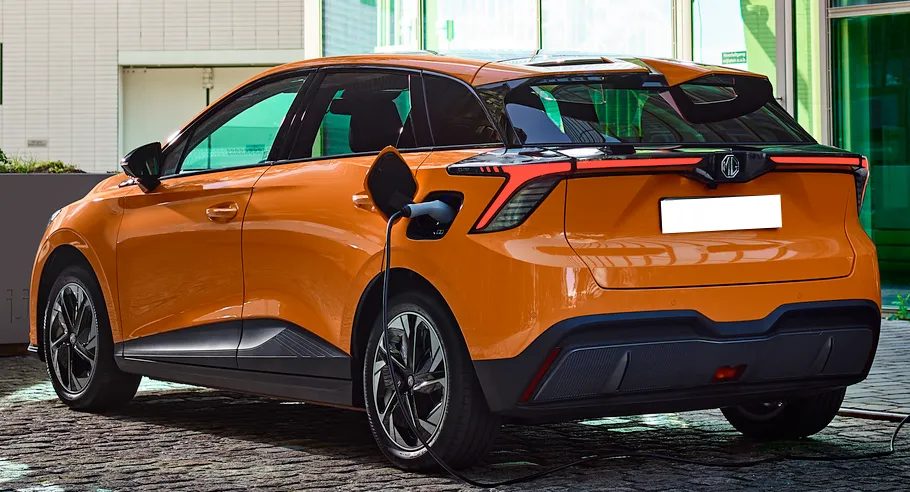
The MG4 EV is a globally successful electric hatchback that could be introduced in India as MG Motor expands its EV portfolio. Unlike SUV-focused EVs, the MG4 offers a lower-slung design with a focus on driving dynamics and performance. Built on a dedicated electric platform, it supports fast charging and rear-wheel-drive layouts in international markets.
For India, MG is expected to position the MG4 as a premium electric hatchback with modern infotainment, connected features, and multiple battery options. It would appeal to buyers seeking a stylish and engaging electric car without entering the luxury segment.
8. Skoda Kushaq Facelift
Launch Timeline: First half of 2026 [Speculative]
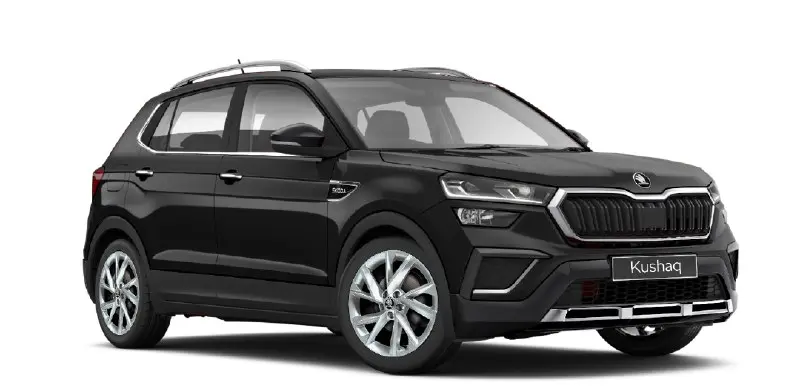
The Skoda Kushaq facelift is expected to focus on incremental yet important improvements rather than a full redesign. Updates are likely to include refreshed exterior styling, improved cabin materials, and feature additions aimed at enhancing value.
Mechanically, the Kushaq is expected to continue with the 1.0-litre and 1.5-litre TSI turbo-petrol engines. The facelift is significant as it helps Skoda remain competitive in the crowded compact SUV segment dominated by newer rivals.
9. Volkswagen Taigun Facelift
Launch Timeline: First or second half of 2026 [Speculative]
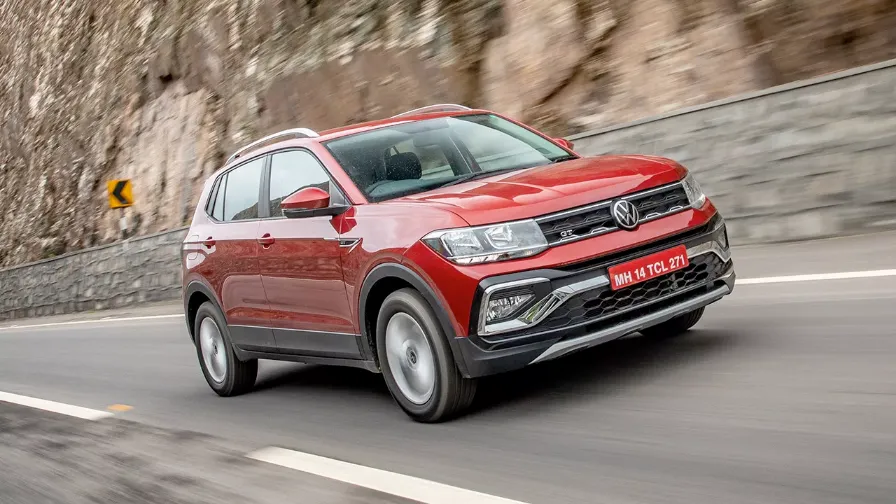
The Volkswagen Taigun facelift will run parallel to the Skoda Kushaq update, reflecting Volkswagen Group’s coordinated product strategy. Changes are expected to be evolutionary, focusing on cosmetic enhancements, interior quality upgrades, and improved feature lists.
The Taigun will retain its turbo-petrol engines and strong driving dynamics. The facelift aims to address customer feedback while keeping the Taigun relevant against segment leaders such as the Hyundai Creta and Kia Seltos.
10. Skoda Elroq EV
Launch Timeline: Second half of 2026 [Speculative]
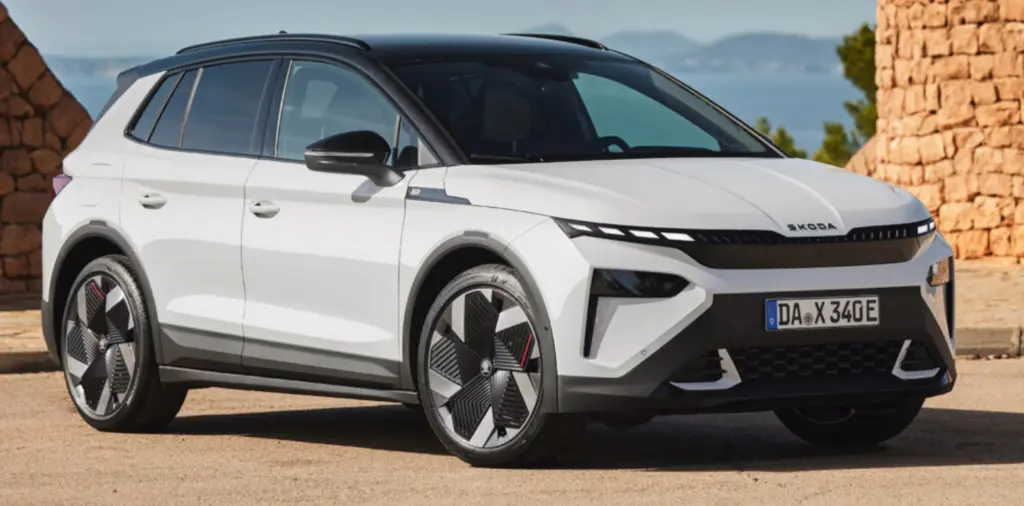
The Skoda Elroq EV is a compact electric SUV that forms part of Skoda’s global electrification roadmap. If introduced in India, it would be positioned above mass-market EVs and below luxury electric SUVs.
The Elroq is expected to offer modern battery technology, fast charging capability, and a high-quality interior. Its arrival would mark Skoda’s first serious step into the Indian EV space, targeting buyers looking for European design and engineering in an electric package.
11. Maruti Suzuki Baleno (Next Generation)
Launch Timeline: Second half of 2026 [Speculative]
The next-generation Maruti Suzuki Baleno is expected to bring evolutionary design changes along with meaningful improvements in safety and cabin quality. As one of India’s best-selling premium hatchbacks, the Baleno’s update will focus on maintaining its strengths in fuel efficiency and affordability while addressing rising expectations around features.
The new Baleno is likely to continue with petrol power, with mild-hybrid technology under consideration. It will rival the Hyundai i20 and Tata Altroz and remain a key volume model for Maruti Suzuki.
12. Hyundai i20 Facelift
Launch Timeline: First half of 2026 [Speculative]
Hyundai is expected to introduce a facelifted i20 to keep the premium hatchback competitive. The update is likely to focus on refreshed styling, updated infotainment software, and additional safety features.
With no major mechanical changes expected, the facelift will be aimed at sustaining interest among urban buyers looking for a stylish and feature-rich hatchback.
13. Tata Altroz Facelift
Launch Timeline: Second half of 2026 [Speculative]
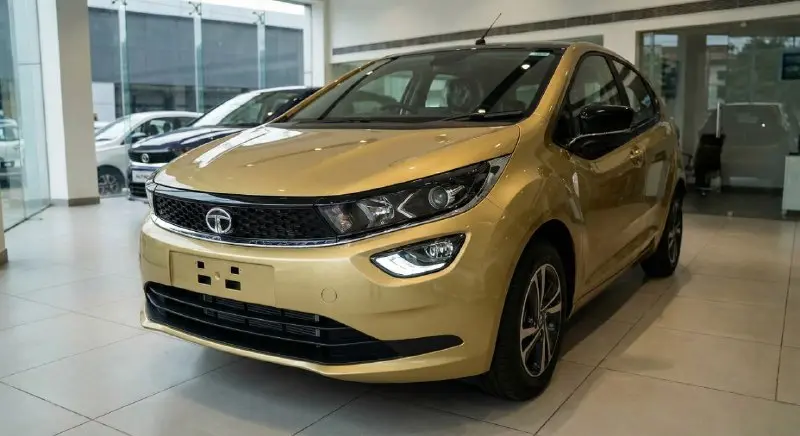
The Tata Altroz facelift is expected to focus on interior upgrades and improved infotainment usability. Tata may also rationalise engine options while retaining the Altroz’s strong safety positioning.
The update will help Tata keep the Altroz relevant in a segment where buyers increasingly prioritise safety ratings and build quality.
14. Honda City Facelift
Launch Timeline: Second half of 2026 [Speculative]
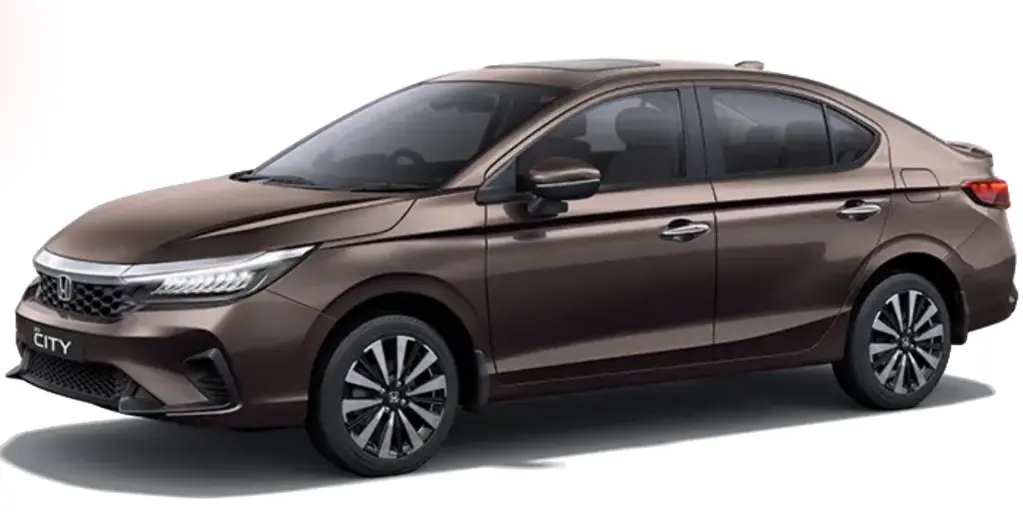
The Honda City facelift planned for 2026 is expected to be technology-driven rather than visually dramatic. Updates may include enhancements to the ADAS suite, infotainment system, and hybrid efficiency.
Despite declining sedan volumes, the City remains a strong choice for buyers prioritising comfort, reliability, and long-term ownership.
15. Renault Kwid EV
Launch Timeline: Second half of 2026 [Speculative]
The Renault Kwid EV could become one of the most affordable electric cars in India if launched. Designed primarily for city commuting, it will focus on simplicity, compact dimensions, and low running costs.
If priced aggressively, the Kwid EV could help expand electric mobility to budget-conscious urban buyers and compete with models like the Tata Tiago EV.
16. Tesla Model 3
Launch Timeline: Second half of 2026 [Speculative]

Tesla’s long-awaited entry into the Indian market could finally take shape with the Model 3. Globally, the Model 3 is known for its strong electric range, rapid acceleration, and software-driven user experience. If introduced in India, it is likely to arrive as a fully imported model initially, keeping prices on the higher side.
Despite this, Tesla’s brand pull and advanced technology could significantly influence buyer perception of electric vehicles. Features such as over-the-air updates, advanced driver assistance hardware, and a minimalist interior would set new benchmarks for premium EVs in India.
17. BMW New EV Launches (iX / i4 Updates)
Launch Timeline: Throughout 2026 [Confirmed]
BMW has confirmed multiple new launches for India in 2026, with a strong focus on electric vehicles. These are expected to include updated versions of existing EVs such as the iX and i4, along with possible new additions.
BMW’s EVs typically combine long driving range with performance-oriented tuning and luxury interiors. These launches will help BMW strengthen its position in India’s growing premium electric car segment.
18. Mercedes-Benz EQ Range Expansion
Launch Timeline: Throughout 2026 [Confirmed]
Mercedes-Benz plans to expand its EQ electric vehicle lineup in India through 2026. New models and variants are expected to focus on luxury, comfort, and advanced infotainment systems.
With a strong early-mover advantage in luxury EVs, Mercedes-Benz will aim to consolidate its leadership as more global brands enter the premium electric space.
19. Audi Q5 (Next Generation)
Launch Timeline: Second half of 2026 [Speculative]
The next-generation Audi Q5 is expected to debut internationally before making its way to India. The updated SUV is likely to feature improved interior quality, a new digital cockpit, and enhanced safety systems.
Powertrain options may include mild-hybrid and plug-in hybrid technology, helping Audi meet stricter emission norms while maintaining performance and refinement.
20. Volkswagen Tayron (7-Seat SUV)
Launch Timeline: Second half of 2026 [Speculative]

The Volkswagen Tayron is a premium three-row SUV positioned above the Tiguan. If launched in India, it would target buyers looking for European build quality, petrol powertrains, and spacious interiors.
The Tayron would fill an important gap in Volkswagen’s India portfolio and compete with other premium 7-seat SUVs.
21. Mahindra Bolero (New Generation / Major Update)
Launch Timeline: First or second half of 2026 [Speculative]
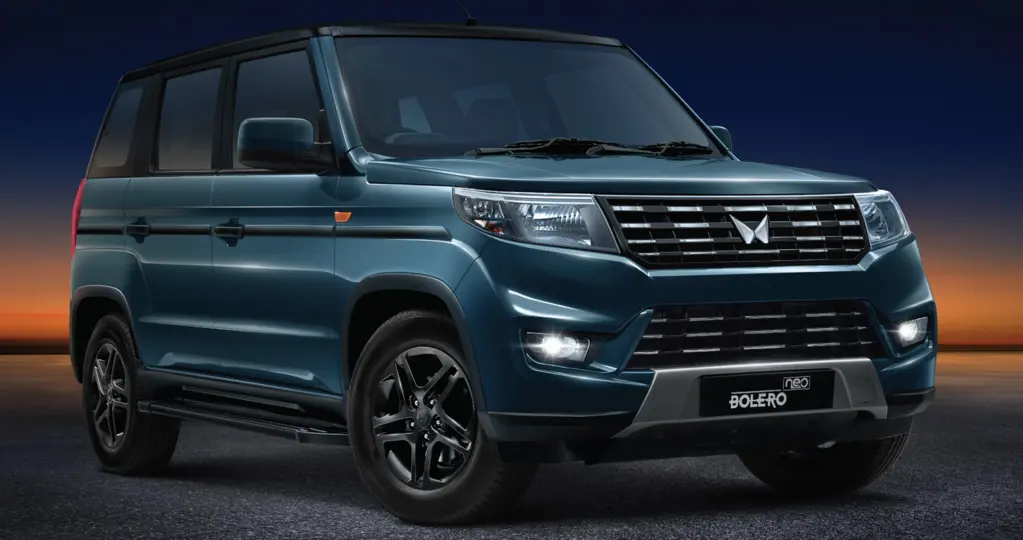
Mahindra is expected to introduce a heavily updated or next-generation version of the Bolero in 2026. The Bolero continues to be one of Mahindra’s highest-selling vehicles, particularly in rural and semi-urban markets. The new model is expected to focus on improved safety compliance, stronger build quality, and a more modern cabin layout.
Rather than moving upmarket, Mahindra is likely to retain the Bolero’s utilitarian character, prioritising durability and reliability. This update will be critical for keeping the Bolero relevant under evolving safety and emission regulations.
22. VinFast Limo Green EV MPV
Launch Timeline: Second half of 2026 [Speculative]
The VinFast Limo Green is an electric MPV that could potentially enter the Indian market as part of VinFast’s global expansion plans. If launched, it would address a clear gap in India’s EV market, where electric MPVs are almost non-existent.
Designed with space and efficiency in mind, the Limo Green would appeal to fleet operators and large families. Its importance lies in broadening EV adoption beyond SUVs and hatchbacks into people-mover segments.
23. Lexus NX / RX Updates
Launch Timeline: 2026 [Speculative]
Lexus is expected to introduce updates to its NX and RX luxury SUVs in India during 2026. These updates are likely to focus on feature enhancements, improved infotainment systems, and refinements to existing hybrid powertrains.
Lexus models are known for their comfort, reliability, and hybrid efficiency. These updates will help the brand remain competitive in the luxury SUV space as more electric and hybrid options enter the market.
Upcoming Cars 2026 India – Expanded Details for Missing Models
This document provides expanded, publish-ready details for the cars that were identified as missing from the master 2026 launch list. Each model includes clearer context, expected positioning, and why it matters to the Indian market. All statuses are conservatively marked.
24. Maruti Suzuki e‑Vitara (Electric SUV) [Confirmed]
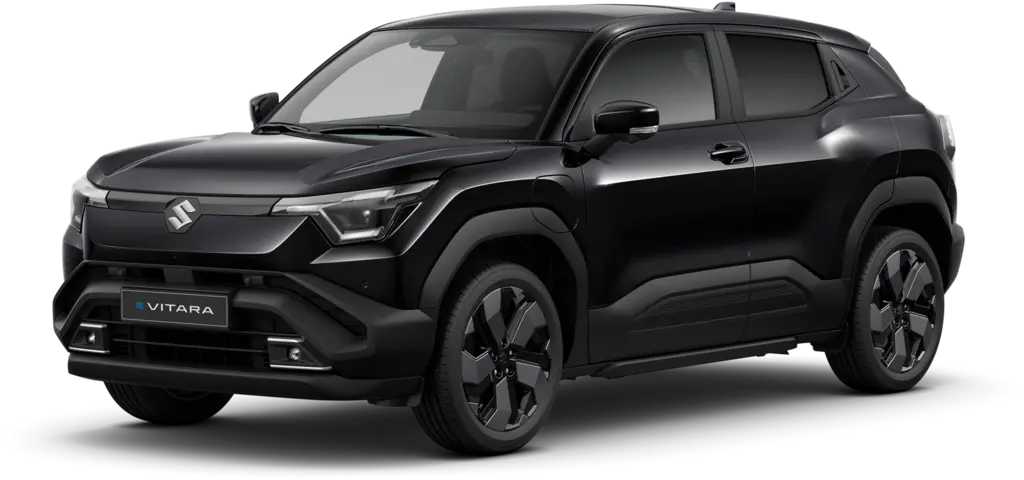
The Maruti Suzuki e‑Vitara will be the brand’s first mass‑market electric SUV for India and one of the most important EV launches of 2026. Built on a dedicated electric platform co‑developed with Toyota, the e‑Vitara is expected to offer two battery pack options, with the larger pack delivering a claimed range of over 500 km.
Maruti is expected to position the e‑Vitara as a practical, family‑friendly EV rather than a performance‑focused model. Key highlights are likely to include a large touchscreen infotainment system, connected car features, advanced safety tech, and competitive pricing backed by Maruti’s extensive service network. The e‑Vitara will rival upcoming electric SUVs like the Hyundai Creta EV, MG ZS EV, and Tata Sierra EV. Its launch is critical for accelerating EV adoption among mainstream Indian buyers.
25. Maruti Suzuki Brezza Facelift [Speculative]
The Maruti Suzuki Brezza facelift is expected to arrive in 2026 as a mid‑cycle update to keep the compact SUV competitive. The changes are likely to be evolutionary, focusing on refreshed exterior styling, updated lighting elements, and minor cabin upgrades.
The Brezza is expected to continue with its 1.5‑litre petrol engine along with the factory‑fitted CNG option, ensuring strong fuel efficiency and low running costs. Feature additions could include improved infotainment software and enhanced safety equipment. As one of Maruti’s highest‑selling SUVs, even a mild update to the Brezza carries significant market importance.
26. Honda WR‑V (Next Generation) [Speculative]
Honda is expected to introduce a next‑generation WR‑V to re‑enter the compact SUV space in India. The new WR‑V is likely to be built on Honda’s latest small‑car architecture and positioned above entry‑level hatchbacks.
Power is expected to come from a refined petrol engine, with Honda focusing on ride comfort, interior quality, and reliability. The WR‑V may also receive advanced driver‑assistance features, which would help differentiate it from rivals. Its importance lies in strengthening Honda’s India lineup, which currently lacks presence in the fast‑growing compact SUV segment.
27. Hyundai Verna (Update) [Speculative]
Hyundai is expected to introduce a feature‑focused update for the Verna in 2026 rather than a full generational change. The update is likely to include software improvements, refreshed interior trims, and possible enhancements to the ADAS suite.
Mechanically, the Verna is expected to retain its petrol engine lineup, including the powerful turbo‑petrol option. While the sedan segment is shrinking, the Verna continues to attract buyers looking for performance, comfort, and modern design. This update will help Hyundai keep the Verna relevant against rivals like the Honda City and VW Virtus.
28. Skoda Slavia / Volkswagen Virtus Facelifts [Speculative]
Facelifts for the Skoda Slavia and Volkswagen Virtus are expected to focus on addressing customer feedback. Likely updates include improved interior materials, updated infotainment systems, and additional standard features.
Both sedans are expected to continue with their existing turbo‑petrol engines, which are already segment benchmarks for performance. These updates are important for sustaining interest among enthusiasts and sedan buyers who value driving dynamics and build quality.
29. Leapmotor T03 / C10 (Potential India Entry) [Speculative]
Leapmotor’s potential entry into India with models like the T03 hatchback or C10 SUV could significantly alter the EV value equation. Known internationally for aggressive pricing and high technology content, Leapmotor could target urban EV buyers and fleet operators.
If regulatory approvals and partnerships materialise, Leapmotor’s models could put pressure on existing EV manufacturers to improve pricing and feature offerings. While still speculative, Leapmotor is worth tracking due to its disruptive potential.
30. Maruti Suzuki WagonR Electric
Launch Timeline: Second half of 2026 [Speculative]
The Maruti Suzuki WagonR Electric is expected to play a crucial role in bringing electric mobility to the mass market. Positioned as an affordable urban EV, it will focus on practicality, ease of use, and low running costs. The tall-boy design of the WagonR makes it well-suited for battery packaging while retaining interior space.
The WagonR EV is likely to offer a real-world range of around 250–300 km, making it ideal for daily city commuting. Maruti Suzuki is expected to leverage its extensive service network to address ownership concerns around EVs. If priced competitively, the WagonR Electric could become one of the most important electric car launches in India.