Tata Motors has officially teased the 2026 Tata Punch facelift, confirming a launch date of January 13, 2026. This marks the first major update for the micro-SUV since its debut and signals a clear shift towards more advanced safety and technology features in the entry-level SUV segment. The teaser reveals notable exterior revisions and confirms the addition of features such as ADAS and a 360-degree camera, which are uncommon at this price point.
With competition intensifying in the compact SUV space, the updated Punch appears positioned to strengthen Tata’s foothold by combining refreshed styling with enhanced driver assistance technology.
Also Read: Mahindra XUV 7XO Reaches Dealerships Ahead of Launch, New Facelift Details Revealed
Exterior Design Changes
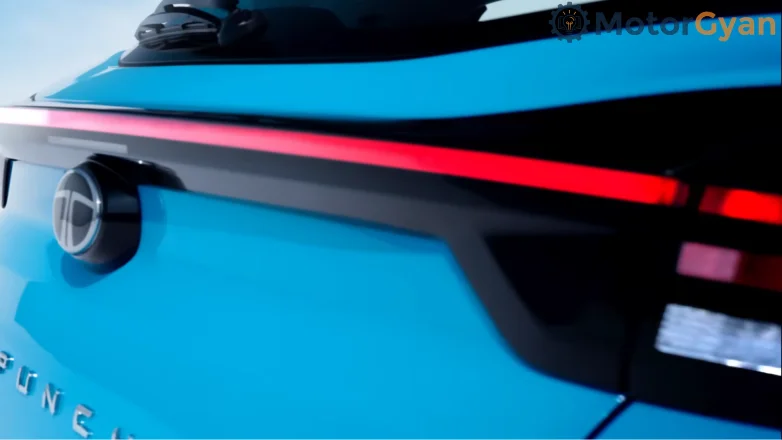
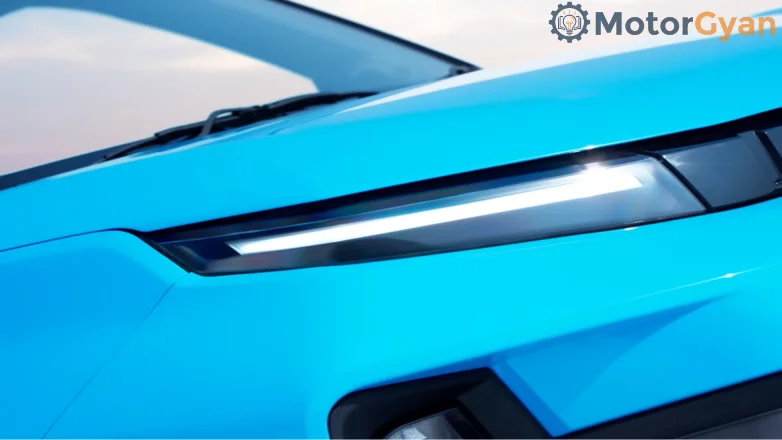
The facelifted Tata Punch adopts a more modern and assertive design, drawing inspiration from Tata’s newer SUVs. The teaser highlights a revised front fascia with slimmer LED daytime running lamps positioned higher up, while the main headlamp units appear to be vertically stacked lower on the bumper. This layout brings the Punch visually closer to Tata’s current design language seen across its larger models.
The front bumper has been reworked with stronger cladding elements, reinforcing the Punch’s SUV-like stance. New alloy wheel designs are also visible, giving the facelift a sportier appearance. At the rear, the Punch is expected to receive updated tail lamps and a revised bumper design, likely aimed at improving visual width and road presence.
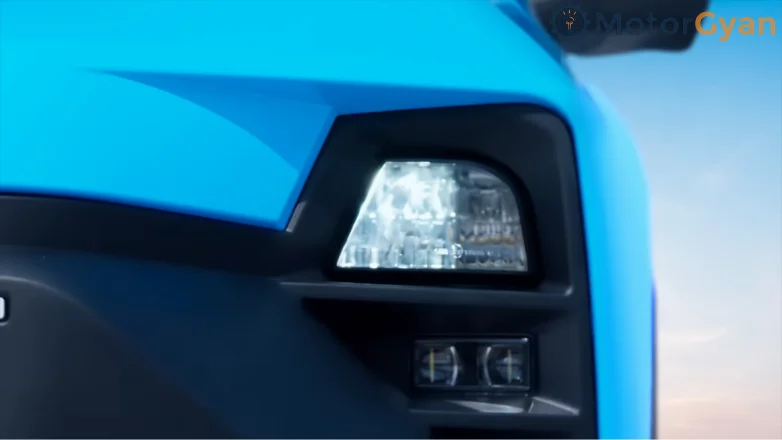
Overall, the changes are evolutionary rather than radical, ensuring the Punch remains instantly recognisable while appearing fresher and more upmarket.
ADAS and Safety Technology
One of the biggest highlights of the 2026 Tata Punch facelift is the confirmed introduction of Advanced Driver Assistance Systems. Teaser visuals indicate the presence of front-facing camera hardware and sensors, suggesting features such as forward collision warning, autonomous emergency braking, and possibly lane departure alerts.
The facelift will also offer a 360-degree surround-view camera, a feature rarely seen in this segment. This addition is expected to significantly improve ease of driving and parking in urban environments, especially for first-time SUV buyers.
In addition to ADAS, the Punch facelift is expected to retain Tata’s strong focus on passive safety, with multiple airbags, electronic stability control, and a robust body structure continuing across the range.
Interior and Feature Updates (Expected)

While the interior has not yet been fully revealed, the facelift is expected to bring meaningful upgrades to the cabin. These may include a larger touchscreen infotainment system, a revised digital instrument cluster, and updated dashboard materials. Improvements in connectivity features and convenience equipment are also likely, particularly in higher variants that will offer ADAS and the 360-degree camera.
The focus appears to be on elevating perceived quality and technology rather than altering the overall cabin layout.
Powertrain and Mechanical Setup
The 2026 Tata Punch facelift is expected to continue with the existing 1.2-litre naturally aspirated petrol engine, paired with a 5-speed manual and a 5-speed AMT gearbox. A factory-fitted CNG variant is also likely to remain part of the lineup. No changes to engine output or suspension setup are expected, indicating that Tata’s priorities for this update are design, safety, and features rather than performance.
How the 2026 Tata Punch Compares With Rivals
The micro-SUV segment has grown rapidly, with buyers placing increasing emphasis on safety, technology, and design. The updated Punch will continue to compete against models such as the Hyundai Exter, Renault Kiger, and Nissan Magnite.
Compared to the Hyundai Exter, which focuses heavily on connected features and infotainment, the Punch facelift appears to differentiate itself with advanced safety technology such as ADAS and a 360-degree camera. These features could give the Punch a clear edge for buyers prioritising safety.
Against the Renault Kiger and Nissan Magnite, which offer turbo-petrol engine options and aggressive pricing, the Punch positions itself as a more safety-focused and structurally robust alternative. While rivals may appeal to buyers seeking performance or value, Tata’s strategy with the Punch facelift leans toward offering class-leading safety and technology.
If ADAS is offered at an accessible price point, the Punch could become one of the most feature-rich vehicles in its segment, potentially reshaping buyer expectations.
Segment Positioning and Market Impact
The Tata Punch has consistently been one of the brand’s strongest performers, appealing to urban buyers looking for a compact yet tough-looking vehicle. With the facelift, Tata is clearly aiming to future-proof the model by aligning it with evolving safety norms and rising consumer awareness around driver assistance systems.
By introducing ADAS and a 360-degree camera in a micro-SUV, Tata could set a new benchmark for the segment, particularly if these features are not restricted to the most expensive variants.
What to Expect at Launch
At the official launch on January 13, Tata Motors is expected to reveal:
- Full exterior and interior details
- Variant-wise feature distribution
- ADAS functionality and limitations
- Pricing and booking timelines
Pricing will be a key factor, as the Punch operates in a highly price-sensitive segment. Any significant increase will need to be justified by the added technology and safety features.
The 2026 Tata Punch facelift represents a strategic update rather than a cosmetic refresh. With refreshed styling, the confirmed addition of ADAS, and a 360-degree camera, the Punch is set to raise the bar for safety and technology in the entry-level SUV space. How competitively Tata prices these upgrades will determine whether the facelift can extend the Punch’s strong market performance into 2026 and beyond.