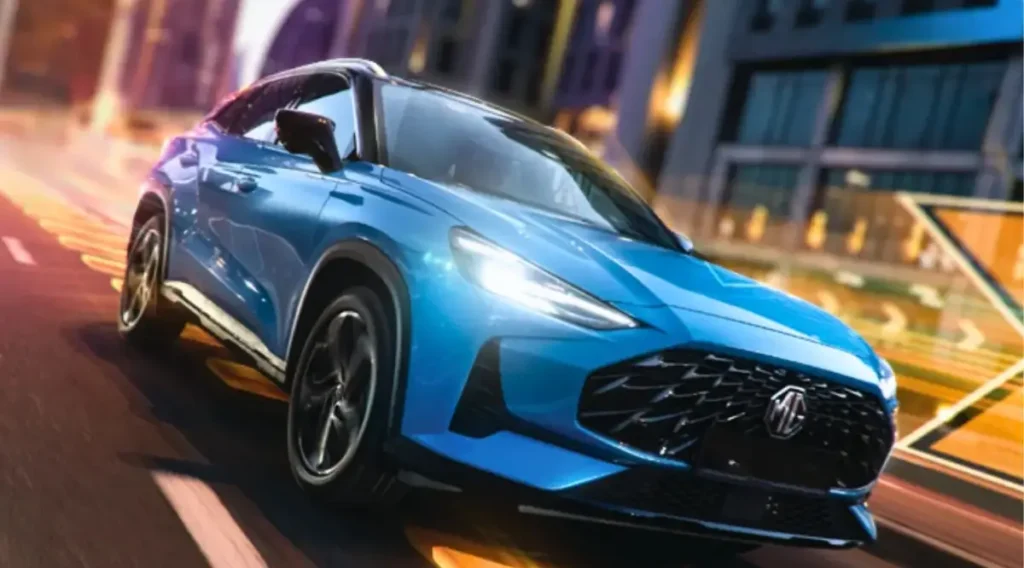
JSW MG Motor India is set to overhaul its mid-size SUV lineup by migrating the next-generation Astor and ZS EV to the SAIC Intelligent Global Modular Architecture (SIGMA). This transition, scheduled for 2027, aligns with the manufacturer’s objective to derive 75% of its total sales from New Energy Vehicles (NEVs), encompassing both battery-electric and plug-in hybrid models.
The SIGMA Architecture Explained
The SIGMA platform represents a significant technical leap over existing architectures. As a modular framework, it is engineered to accommodate nine distinct powertrain types across 18 configurations. Key technical attributes include:
- Compatibility with multiple drivetrain layouts and body styles.
- Advanced electronic integration supporting 5G connectivity and Gigabit Ethernet.
- Multi-domain controllers and Over-the-Air (OTA) update capabilities.
- Optimized mechanical packaging to maximize interior cabin volume.
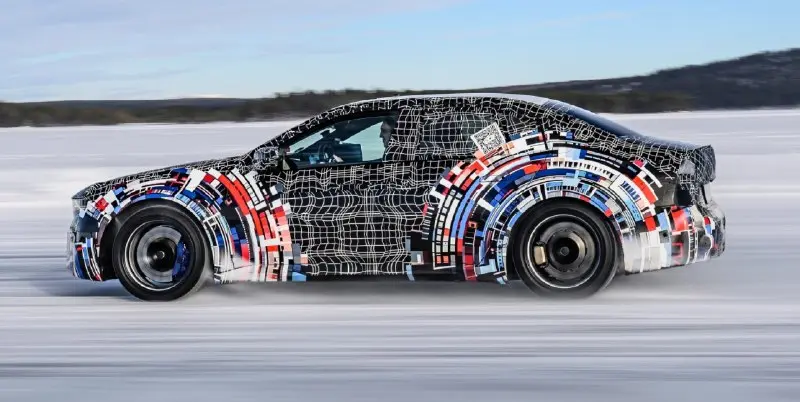
While the MG One was the first global model to utilize this platform, the upcoming Astor and ZS EV replacements are expected to feature updated design languages and more sophisticated interior appointments.
Expansion into Plug-in Hybrids
Preceding the platform shift for the Astor, MG will introduce a new plug-in hybrid SUV in the latter half of 2026. Codenamed 560, this model is anticipated to be based on the Wuling Starlight 560. The vehicle measures 4,745mm in length and utilizes a 1.5-liter gasoline engine paired with a 20.5kWh battery pack.
Performance specifications for the PHEV include:
- Combined power output: 197bhp and 230Nm of torque.
- Electric-only range: Approximately 100km.
- Total range: A cumulative driving range of over 1,000 kilometers.
- Performance: A top speed of 170km/h and a 0-100km/h acceleration time of 9.7 seconds.
Market Positioning and Competition
Upon its 2026 debut, the MG 560 will enter a competitive segment currently occupied by the Mahindra XUV 7XO and Tata Safari. Due to the complexity and cost of the plug-in hybrid system, the model is expected to carry a price premium over its internal combustion engine rivals. This move marks a strategic shift for MG in India as it pivots away from legacy platforms toward a more integrated, high-tech future.