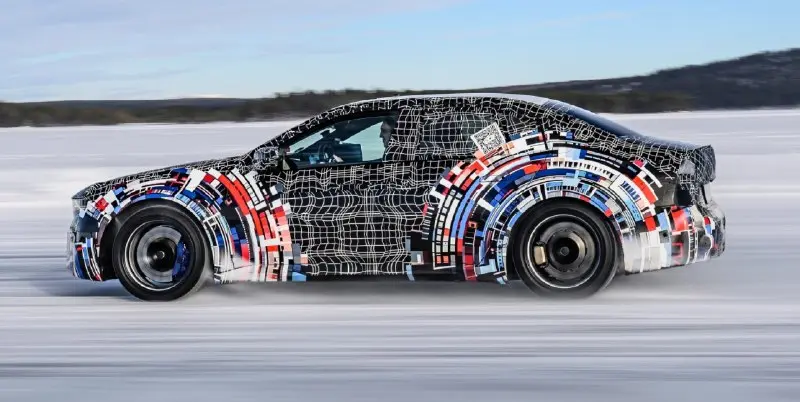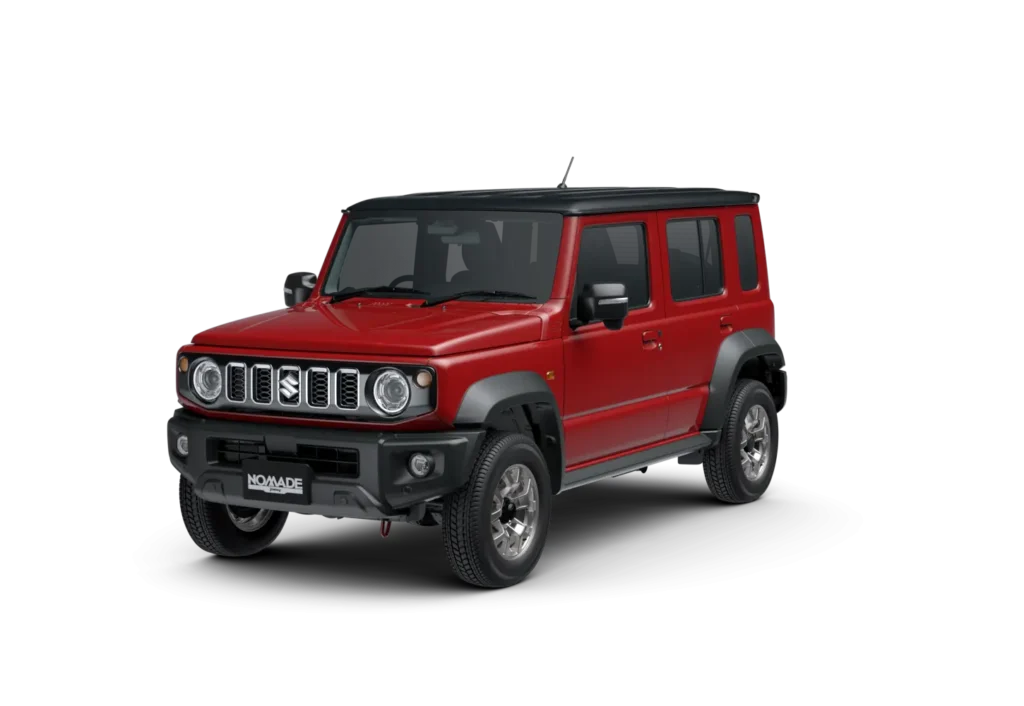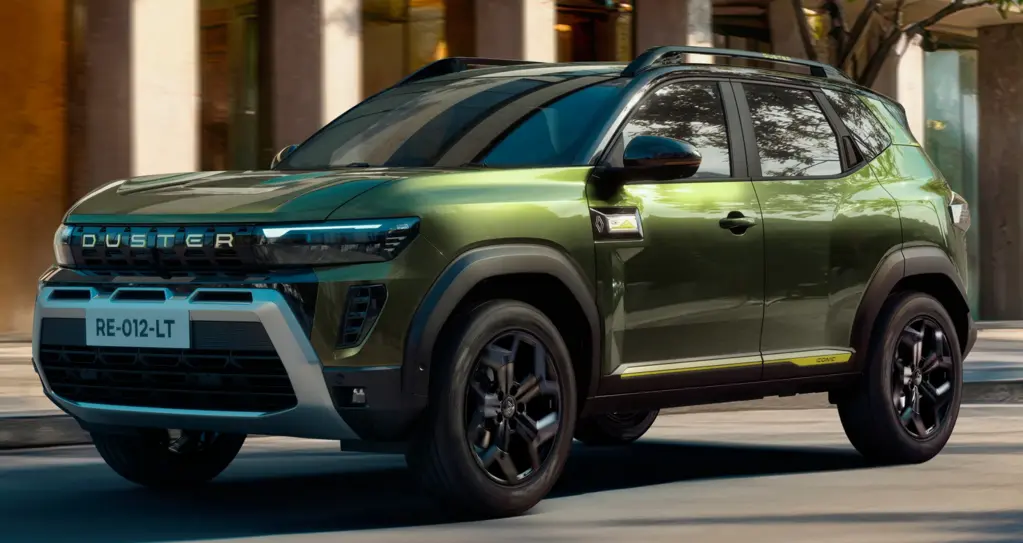
Renault is set to broaden its footprint in the Indian automotive market by introducing a second sub-four-metre SUV. Positioned alongside the Kiger, the upcoming model—often referred to as a “mini Duster”—is intended to capture a larger share of the highly competitive compact segment by adopting a more traditional SUV design language.
Design and Market Positioning
While the Renault Kiger features a crossover-influenced, coupe-like silhouette, the new model will prioritize a boxy and upright stance. This design shift addresses a specific consumer preference in India for rugged aesthetics, characterized by a vertical front fascia and pronounced body cladding. The strategy follows a trend where manufacturers offer multiple products within the same size category to appeal to different tastes, similar to Maruti Suzuki’s approach with the Brezza and Fronx, or Kia’s dual-offering of the Sonet and upcoming Syros.
Technical Specifications and Timeline
The new SUV is expected to utilize existing mechanical components to maintain cost efficiencies. Key specifications include:
- Engine: 1.0-litre HR10 three-cylinder turbo-petrol
- Transmission: Five-speed manual or Continuously Variable Transmission (CVT)
- Platform: Likely a derivative of the CMF-A+ architecture
The launch is projected for the 2027-2028 window. It will follow the introduction of the new five-seater Duster and its subsequent seven-seater derivative, ensuring Renault has a tiered SUV lineup to compete across various price points.
Strategic Outlook
The decision to introduce a second compact SUV comes as Renault seeks to improve its volume in a segment where the Kiger has maintained modest sales of approximately 1,000 to 1,200 units per month. Renewed interest in the sub-four-metre category has also been bolstered by 2025 revisions to GST structures, prompting manufacturers to maximize their presence in high-volume brackets. Success for this new model will largely depend on high levels of local parts sourcing to ensure competitive pricing against established rivals from Maruti, Kia, and Mahindra.