Tata Motors has confirmed its intention to remain active in the hatchback and sedan segments, even as consumer preference in the Indian market continues to shift heavily toward SUVs. Shailesh Chandra, Managing Director and CEO of Tata Motors, indicated that while market share for small cars has diminished, the absolute volume and reduced competition present a viable business case for the brand’s existing portfolio.
Strategic Focus on Existing Nameplates
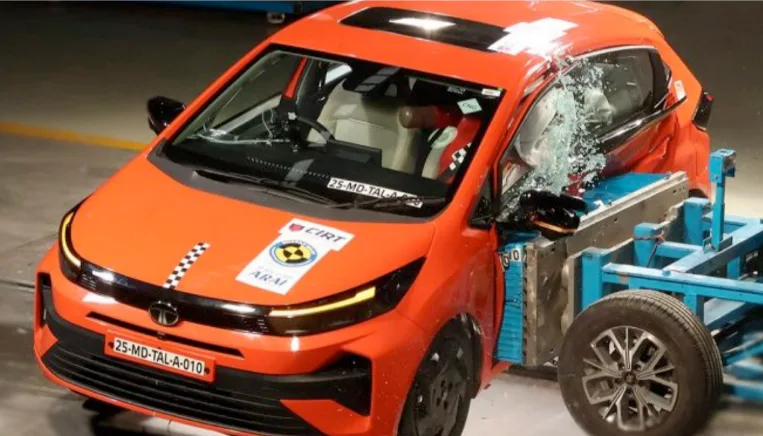
Rather than introducing new models to the segment, the manufacturer will focus on sustaining its current offerings, the Tiago and Altroz. Chandra noted that the hatchback segment, which once commanded nearly half of the Indian market, has stabilized at a lower share but still represents significant volume.
- Market Volume: Despite a share drop from 46-47% to approximately 20%, the segment still accounts for over one million units annually.
- Competitive Landscape: With several manufacturers exiting the small car space, Tata Motors sees an opportunity to capture demand with fewer rivals.
- Current Performance: The Altroz, which received its last major update in 2025, maintains steady traction with monthly sales averaging between 3,000 and 4,000 units.
Adapting to Consumer Migration
The company is closely monitoring the transition of first-time buyers who are increasingly bypassing traditional entry-level cars. According to Tata’s internal tracking, a substantial portion of the hatchback demographic has migrated toward compact and midsize SUVs. To address this, the brand aims to remain flexible regarding vehicle form factors, prioritizing price points and consumer budgets over rigid segment definitions.
The Future of Sedans
Regarding the sedan market, Tata Motors continues to see value in the Tigor, particularly through a bifurcated demand model. The segment is currently sustained by two primary groups: personal buyers and the steadily growing fleet sector. Chandra highlighted that the compact sedan remains a relevant category, citing its status as a high-volume segment in the previous year’s sales charts. The company’s continued participation in this space remains contingent on financial viability and the lack of intense competition.