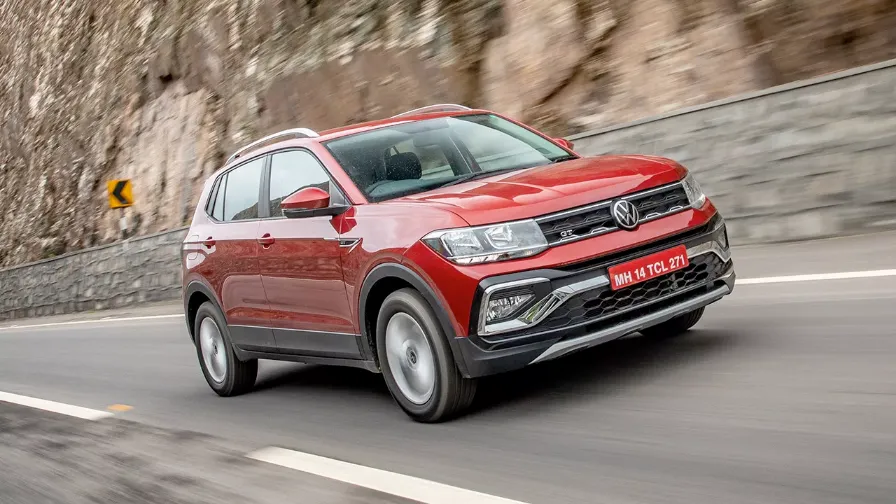
Volkswagen India is preparing a significant mid-cycle update for its India 2.0 lineup, with the Taigun mid-size SUV and Virtus sedan slated for facelifts in the 2026 calendar year. Central to these updates is the introduction of Advanced Driver Assistance Systems (ADAS), a feature currently absent from the local MQB-A0-IN platform products.
ADAS Deployment Strategy
The German automaker is employing a top-down implementation strategy for its safety suite. This technology has already been integrated into the brand’s premium global and upcoming offerings, including:
- Tiguan R-Line
- Golf GTI
- Upcoming Tayron R-Line
By refining the technology on higher-tier models first, Volkswagen aims to optimize the cost-to-benefit ratio before cascading the features down to the Taigun and Virtus. This approach is intended to maintain price competitiveness in the crowded C-segment SUV and sedan markets.
Collaboration and Cost Management
In line with the Group’s synergy goals, Volkswagen and Skoda are expected to share technical learnings regarding ADAS calibration for Indian road conditions. This mutual development phase is critical for achieving the economies of scale necessary for the India 2.0 platform. While the 2026 facelifts will bring immediate enhancements similar to those seen in the Skoda Kushaq, Volkswagen is expected to position its variants toward the higher end of the segment spectrum.
Long-term Product Roadmap
Beyond the immediate 2026 updates, the company is looking toward a generational shift after 2027. This next phase of the India 2.0 strategy is expected to include:
- Full model redesigns for existing nameplates.
- The introduction of a three-row vehicle to expand the brand’s footprint.
- Enhanced technological suites across the powertrain and cabin electronics.